










Geopolitics, inflation and central banks set the direction for markets
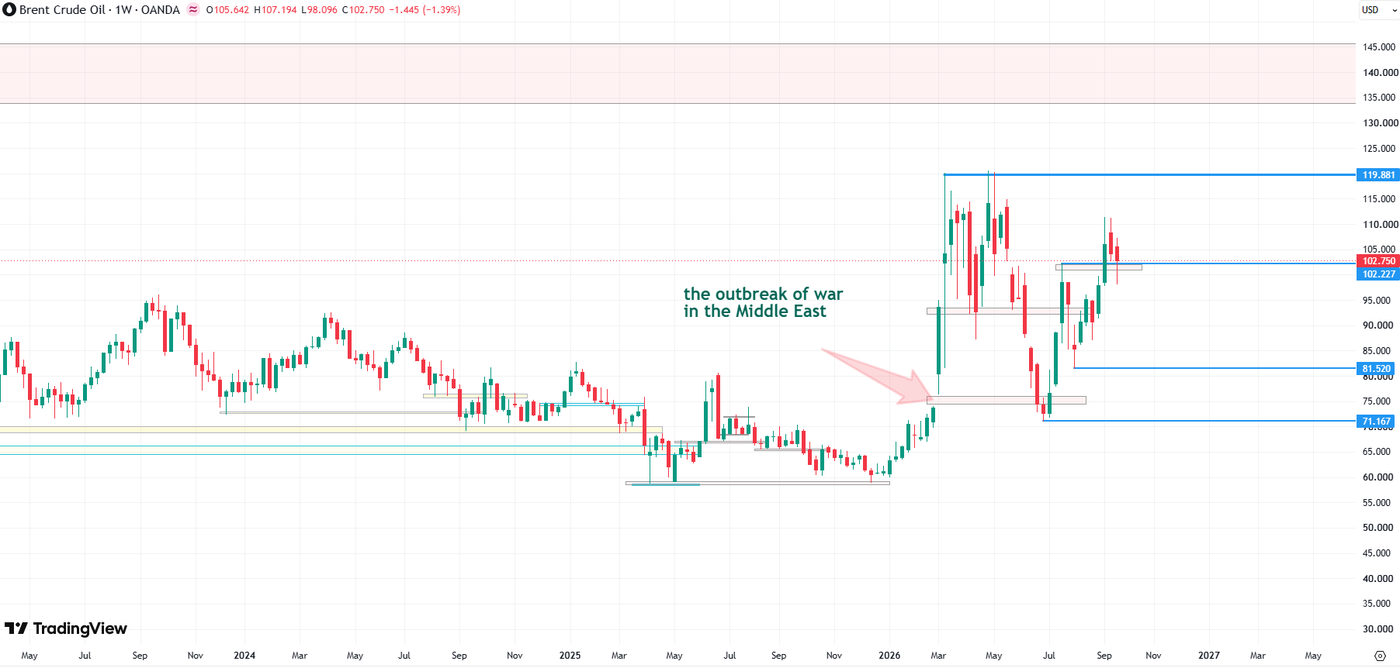
- A gradual recovery in Gulf oil supplies could bring prices lower during the winter, but the Strait of Hormuz remains a major source of risk.
- China’s strong exports are offset by persistent weakness in its property sector and domestic demand.
- US growth could reach around 2.4%-2,5% in 2026 and around 2.2-2,3% in 2027, supported in part by AI investment.
- The Fed and ECB may keep policy restrictive as energy costs sustain inflation.
- Bond yields could fall temporarily before fiscal pressures push them higher over the longer term.
Middle East tensions and oil prices
The situation in the Middle East remains a focus for investors, although tensions may gradually ease following the latest escalation. In recent months, growing volumes of oil from the Gulf region have been shipped through so-called “dark transits”, partly limiting the impact of disruptions to established export routes. Supplies could gradually return to normal during the winter, allowing oil prices to decline slowly.
The geopolitical premium is unlikely to disappear quickly, however. Markets remain highly sensitive to developments around the Strait of Hormuz, energy infrastructure and talks between the United States and Iran. Any delay in restoring normal flows could trigger another sharp rise in oil prices and bond yields.
China and the United States
The outlook for the world’s largest economies remains mixed. In China, strong exports are not enough to fully offset structural problems. Unresolved difficulties in construction and the property market continue to constrain domestic demand and business investment. The economy therefore remains heavily dependent on exports, leaving it more exposed to trade tensions and technology restrictions.
The US economy has proved relatively resilient to the effects of the war with Iran. Investment linked to artificial intelligence remains an important source of support, driving spending on data centres, semiconductors and energy infrastructure. US GDP could grow by 2.4% in 2026 and 2.3% in 2027.
Inflation remains a concern, staying well above the Federal Reserve’s target. A meaningful easing in price pressures may not come until the spring. The Fed responded to the increased inflation risk by raising interest rates by 25 basis points in September. One more increase is likely before the end of 2026, while the first and only cut may come as late as the end of 2027.
The euro area and the ECB
The euro area economy is holding up better than might have been expected given the high cost of energy. GDP could grow approximetly 1.0% in 2026 and little above 1% in 2027. At the same time, the energy shock is likely to keep inflation just below 3% both this year and next.
Against this backdrop, the European Central Bank is likely to raise its deposit rate by 25 basis points to 2.75% in December, then leave it unchanged until the end of 2027. The ECB will want to reduce the risk that elevated inflation expectations become entrenched, even if that comes at the expense of weaker economic activity.
Bond yields and the dollar
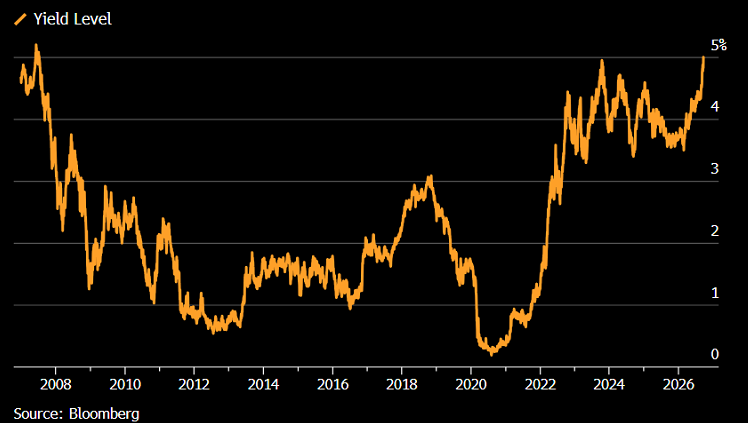
Over the medium and long term, the forces pushing bond yields higher still appear to dominate. Budget deficits remain too large in many Western countries, while growing political fragmentation makes fiscal consolidation harder. Investors may therefore continue to demand a higher premium to finance government debt.
A temporary calm in bond markets is possible before next spring. Current prices may reflect too many expected rate increases from both the Fed and the ECB. If energy prices begin to fall and inflation stops rising, some of those expectations could be revised. That would allow yields to decline for a time and could improve sentiment in equity markets.
In the coming quarters, the dollar may come under pressure from attempts by Donald Trump’s administration to limit the Federal Reserve’s independence, as well as its aggressive approach to trading partners. More countries may consequently look for alternatives to the US currency. This would be a slow process, but it could support the euro against the dollar over the longer term.
Opinions are the authors'; not necessarily that of OANDA Business Information & Services, Inc. or any of its affiliates, subsidiaries, officers or directors. The provided publication is for informational and educational purposes only.
If you would like to reproduce or redistribute any of the content found on MarketPulse, an award winning forex, commodities and global indices analysis and news site service produced by OANDA Business Information & Services, Inc., please refer to the MarketPulse Terms of Use.
Visit https://www.marketpulse.com/ to find out more about the beat of the global markets.
© 2026 OANDA Business Information & Services Inc.